Partnership envisions creating a regional aerospace workforce, research, and education platform timed to NASA’s Artemis program and Project Ignition Moon Base initiative.
The Mars Society, through its Seattle Chapter, and South Seattle College (SSC) have signed a 10-year Memorandum of Agreement (MOA) establishing a multi-program partnership to build a Moon and Mars analog research station on the South Seattle College campus in West Seattle and create a regional education and workforce pathway for the next generation of aerospace researchers, technicians and engineers.
The agreement, signed by SSC President Dr. Monica Brown and Mars Society Executive Director James L. Burk, covers four interconnected efforts: a Moon and Mars analog research station on the SSC campus, a joint space studies curriculum and stackable certificate pathway, a student capstone project and internship program tied to industry partners, and a regional workforce pipeline and community engagement effort.
Per the agreement, the Mars Society will lease land from the college to build the research station contingent on funding. Joint fundraising efforts and potential aerospace industry support will fund construction of the station, with a targeted opening at the start of the 2027-2028 academic year.
Once established, the research station and related curriculum will build off existing programming at SSC to align with current and developing workforce needs and create opportunities for current and future students in the college’s skilled trades programs. For example, students studying electrical vehicle maintenance and repair in the Automotive Technology and Diesel & Heavy Equipment Technology programs can contribute their knowledge to battery use in drones and rovers used in space. Students in Culinary & Pastry Arts can contribute to research on growing vegetables in space environments.
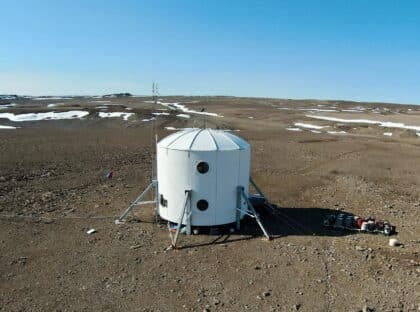
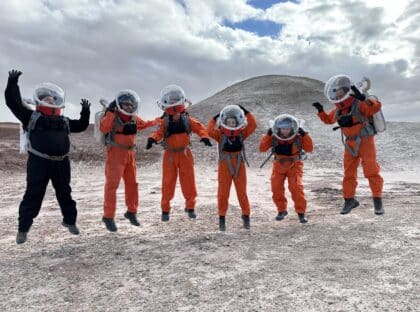
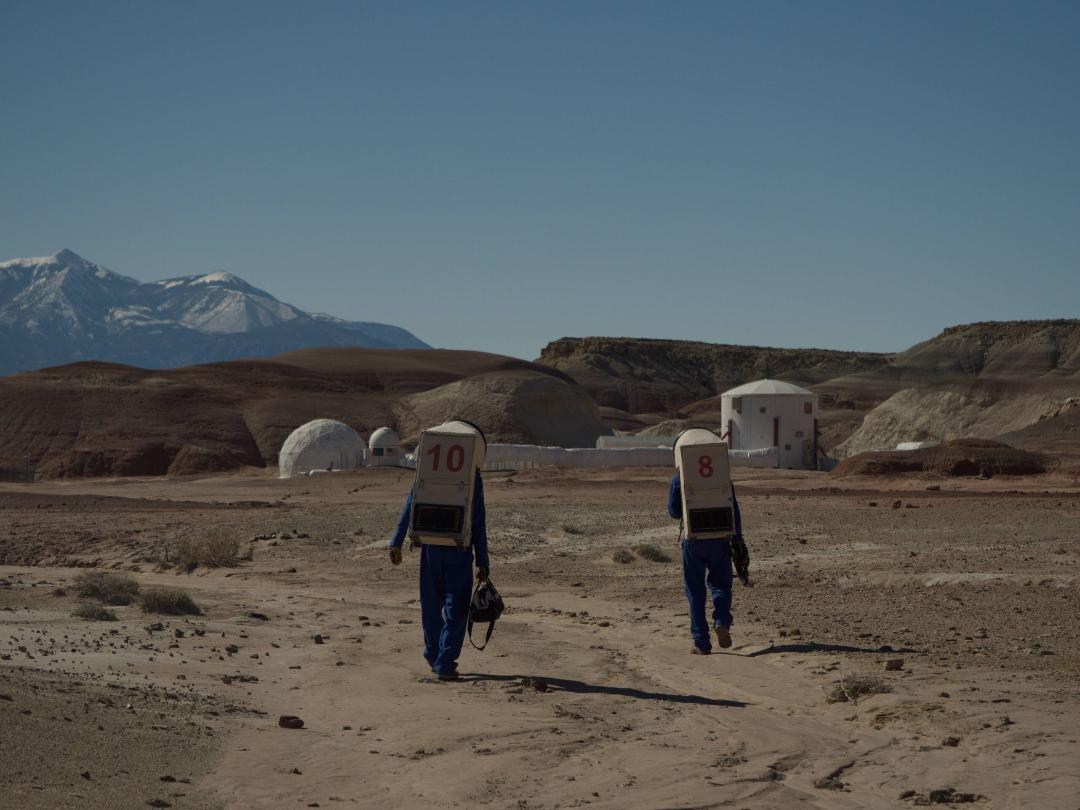
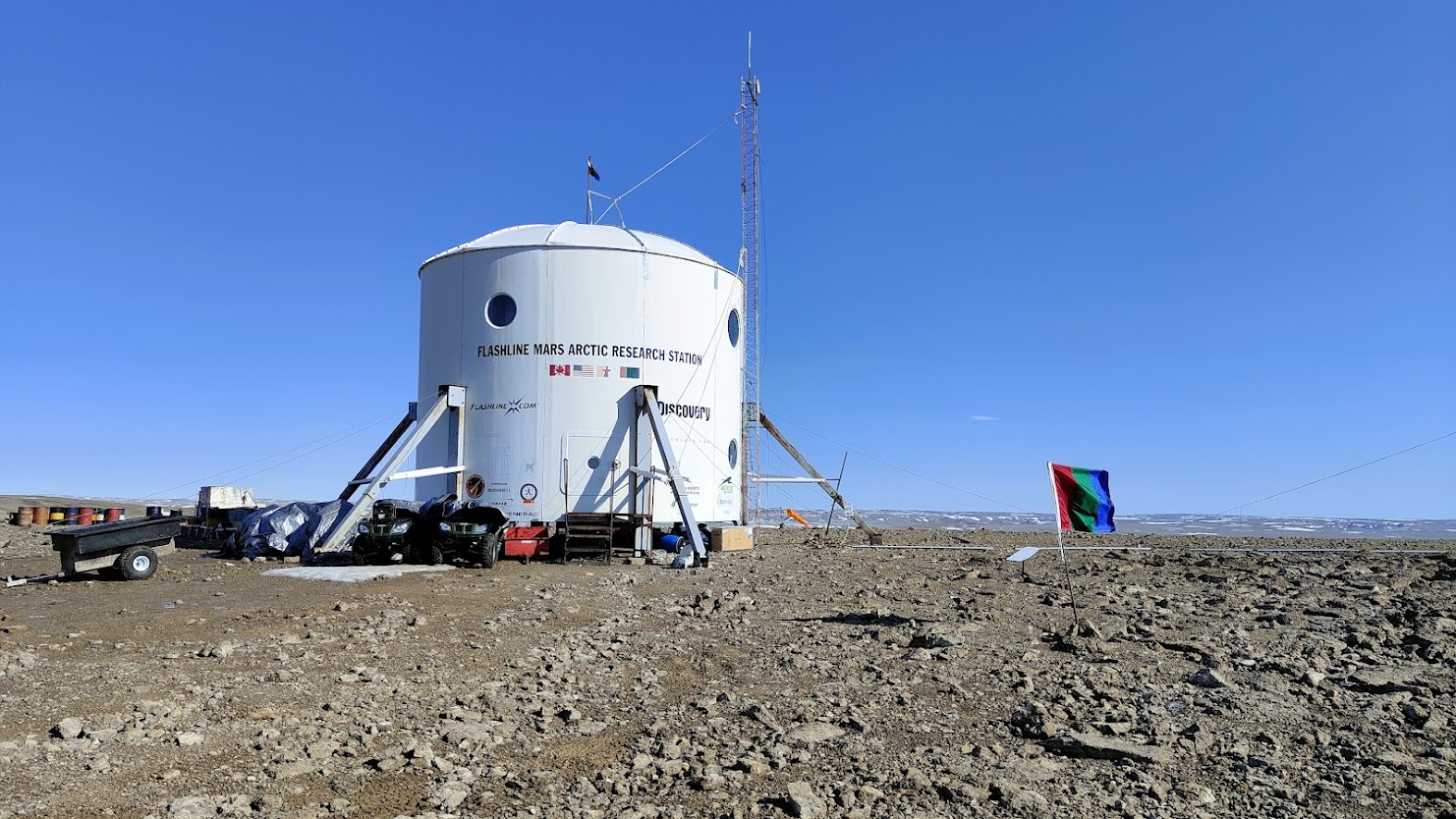
The Mars Society currently operates research stations in Utah and Canada, where crews live and work under simulated Mars mission conditions. This work includes human factors studies, equipment testing, biology and geology field research, medical testing and safety drills. A research station on SSC’s campus would extend the hands-on side of this research, which aligns naturally with the strengths of a skilled trades-focused institution.
“For more than two decades, the Mars Society has operated analog research stations in the Utah desert and the Canadian Arctic that have shaped how humanity will live and work on other worlds,” said James L. Burk, Executive Director of The Mars Society. “Bringing that capability to an urban community college campus is something new, and it is deliberate. The Moon and Mars programs the federal government has now committed to are going to need a workforce we have not trained for in 50 years. South Seattle College knows how to train people for the industries that actually build things. That approach is exactly what we need for preparing for planetary surface operations on the Moon and Mars.”
“South Seattle College has a long tradition of meeting our region’s workforce needs in aerospace, applied science, and skilled trades,” said Dr. Monica Brown, SSC President. “This partnership extends that tradition, and this initiative reflects our commitment to exploring bold, future-oriented opportunities that expand access, inspire imagination, and ensure our students are prepared to lead in emerging industries.”
The agreement arrives at an inflection point for U.S. space exploration. In April 2026, NASA’s Artemis II crew completed the first crewed flight beyond low Earth orbit since Apollo 17 in 1972. Weeks earlier, NASA announced Project Ignition, a $20 billion, seven-year initiative to construct a permanent base at the Moon’s south pole intended as a proving ground for future human missions to Mars. Together, these developments create a generational demand for aerospace research capacity, applied workforce, and public engagement.
An important element of this partnership is creating opportunities for community engagement, including opening the research station doors to the public to experience research to prepare humans for moon and mars exploration. This summer, the Mars Society will install an inflatable mockup of a research habitat module in the college’s Aviation Maintenance Technology facilities, with a public event in the works to learn more.
A regional platform for the Pacific Northwest aerospace ecosystem
The Pacific Northwest hosts one of the largest concentrations of commercial space activity in the United States, including Blue Origin in Kent, SpaceX’s Starlink manufacturing in Redmond, Aerojet Rocketdyne in Redmond, and Boeing’s regional aerospace footprint. The MOA is designed to connect that industry base to a regional workforce pipeline.
The partnership opens the possibility for career pathways within Washington State’s space technology ecosystem, as well as national initiatives related to space technology development. Career examples include spacecraft technicians, propulsion mechanics, and drone operators and technicians.
Industry capstones, technical advisory governance, and joint grant strategy
The Mars Society, the Mars Technology Institute (currently organized as an initiative within The Mars Society), and partner organizations will provide authentic engineering and research challenges as student capstone projects, with faculty advisors and external mentors supporting the work. A Technical Advisory Committee will focus specifically on alignment between the regional space technical industry and SSC programs, with industry seats available to partner companies.
The partners will pursue joint funding through federal, state, foundation, and private sources, including NASA, NSF, the Department of Labor, the FAA, and the Department of Commerce. The agreement does not commit either party to monetary contribution; specific funding arrangements will be addressed in separate program-specific agreements.
About The Mars Society
The Mars Society is an international 501(c)(3) nonprofit headquartered in Colorado, dedicated to advancing public understanding, research, and education related to space exploration and the human settlement of Mars. The Mars Society operates the Mars Desert Research Station in Utah and the Flashline Mars Arctic Research Station in the Canadian Arctic, and coordinates the Mars Technology Institute and a global network of researchers, engineers, and educators. Mars Society of Seattle is the Pacific Northwest chapter of The Mars Society.
About South Seattle College
Established in 1969 with an 87-acre main campus in West Seattle, South Seattle College serves as a portal of opportunity each year for more than 9,500 students with diverse needs to meet their educational and career goals. South prepares students for immediate employment in skilled trades, successful transfer to four-year colleges and universities, and has the largest apprenticeship training program in the state at our Georgetown campus. South also offers bachelor’s degrees in Hospitality Management and Sustainable Building Science Technology. For more information, visit southseattle.edu.